Trong bài giải mẫu lần này, thầy Mạnh Đức của The IELTS Workshop sẽ hướng dẫn bạn trả lời topic Describe a story/book with animals in it trong IELTS Speaking Part 2. Cùng tham khảo sample, từ vựng và một vài cách diễn đạt ghi điểm trong phần thi IELTS Speaking nhé.
Part 2: Describe a story/book with animals in it
Đề bài: Describe a story/book with animals in it
You should say:
- What animals are in it
- What the story/book is about
- Why you read the story/book
- And explain what you think of this story/book
1. Bài mẫu (Sample)
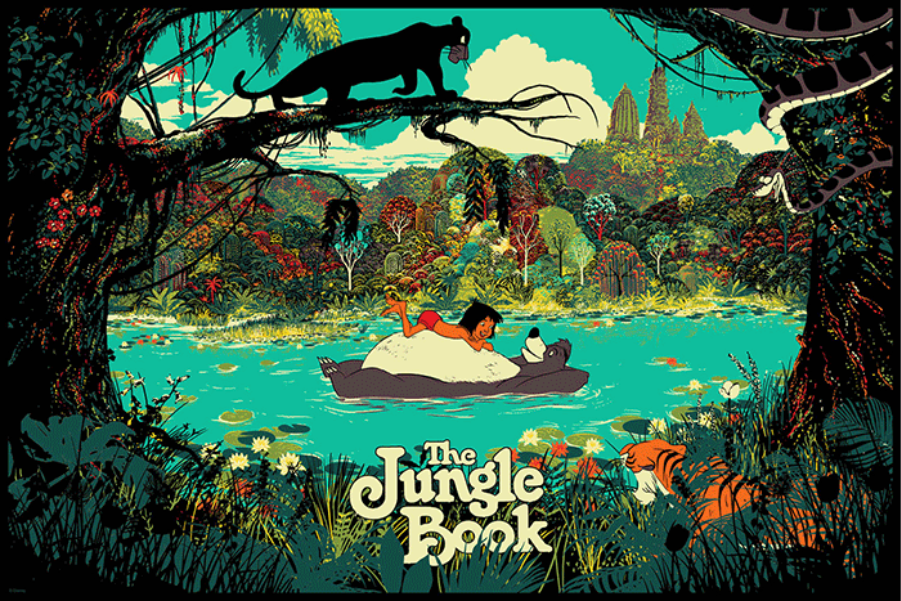
This topic instantly brings me back to my childhood, with endless stories of animals sounding and acting like humans. Growing up with such stories, there’s a particular one that I’ve carried with me over the years, and it is called ‘The Jungle Book’.
I was once the kid who would get excited about everything, so when I first heard about a book that featured talking animals, it took me just seconds to be completely immersed. ‘The Jungle Book’ follows the journey of Mowgli, a human boy who is raised by wolves in the jungle, destined to survive and thrive in a place where he didn’t belong.
Throughout his journey, Mowgli wasn’t alone. The little boy was accompanied by Baloo, the wise and friendly bear; along with Bagheera, the black panther who seems cold and distant but is actually full of wisdom. And there was Shere Khan – the most feared name in the entire animal kingdom. The Bengal tiger sees Mowgli as an outsider, spending nearly every day trying to hunt and get rid of him. Seeing all these humanized animals interacting with one another was more than enough to captivate any child.
But what kept me reading was beyond just the characters. There were also moments that carried depth. Seeing how Mowgli was well cared for made me realize that love and acceptance can be anywhere out there, even in the most unexpected places, or in this case – from “talking animals”. More than that, the story, although written for children, quietly prepared its readers for adulthood. The ending where Mowgli left the jungle for the human world highlighted that growing up sometimes means leaving parts of yourself behind, and letting go can sometimes help us find where we truly belong.
Overall, ‘The Jungle Book’ was a real treat not just for those who enjoy the magic of animal tales, but also for anyone who still has room in their heart for a little adventure, plenty of imagination, and a touch of nostalgia.
Sample by Manh Duc – IELTS Teacher at The IELTS Workshop
2. Từ vựng (Vocabulary)
- bring somebody back to (v phr): gợi ai nhớ về
- feature (v): có sự xuất hiện/tham gia của
- be immersed (in) (adj): đắm chìm trong
- accompany (v): đồng hành cùng
- full of wisdom (adj phr): đầy sự thông thái
- humanize (v): nhân hóa
- captivate (v): mê hoặc, cuốn hút
- well cared for (adj): được chăm sóc chu đáo
- let go (v phr): buông bỏ
- a real treat (n phr): một trải nghiệm/thứ gì đó rất tuyệt
- nostalgia (n): sự hoài niệm
Part 3:
1. Should schools teach children about animals?
Absolutely. In fact, I don’t think animals get as much attention as they deserve nowadays because schools often prioritize academic subjects over teaching children about animals. I’m not a supporter of that, however. Children should be better informed about the species living around them, from household pets to endangered wildlife, including their populations, natural habitats, and living conditions. This isn’t about turning them into animal activists. It’s simply about giving them a better understanding of animal welfare. From there, they may learn to appreciate all the species that share the world with them, and hopefully make more thoughtful decisions whenever animals are involved.
- be better informed (about) (v phr): được trang bị/được cung cấp kiến thức tốt hơn (về…)
- animal activist (n): nhà hoạt động vì quyền lợi/phúc lợi động vật
- animal welfare (n): phúc lợi động vật
- appreciate (v): trân trọng
2. Some people think pets should not be kept in cities. What do you think?
I think there are two sides to that.
On the one hand, living in cities with humans keeps pets safe and well cared for. Their owners provide them with shelter, food, and, most importantly, a safe environment. In big cities, veterinary services are also readily available whenever pets get sick. The biggest downside, however, is urban pollution, which can negatively affect certain vulnerable animals. Furthermore, being kept indoors for long periods may gradually weaken their natural instincts, making them less capable of surviving on their own.
On the other hand, roaming freely in the wild certainly gives animals more opportunities to sharpen their survival instincts. But that doesn’t come without risks. Without the ability to run fast, fly, camouflage themselves, or defend themselves, some pets can become extremely vulnerable to predators. On top of that, food is much harder to come by in the wild, where survival often depends on constant competition rather than being guaranteed by an owner.
- veterinary services (n phr): dịch vụ thú y
- readily available (adj phr): sẵn có, dễ dàng tiếp cận, luôn có sẵn
- natural instincts (n phr): bản năng tự nhiên
- roam freely (v phr): đi lại/bay nhảy tự do
- camouflage (v): ngụy trang
- predator (n): động vật săn mồi
3. Many people regard pets as members of their family. What do you think?
I think that’s totally understandable, and it should be normalized even more. Nowadays, people treat their pets with kindness and genuine care, not because they have to, but because that’s simply the way animals should be treated. Some families even give their cats and dogs proper names, and every aspect of their lives is carefully looked after, almost as if they were another member of the family.
I strongly believe this is a positive trend because it reflects how much people appreciate the animals around them. More importantly, it shows that animals can genuinely be regarded as family members who also deserve love, care, and respect. This also sets a good example for young children, encouraging them to grow up being kind, gentle, and compassionate towards all animals.
- normalize (v): bình thường hóa
- gentle (adj): dịu dàng, nhẹ nhàng
- compassionate (adj): giàu lòng trắc ẩn, biết cảm thông
4. Do many people keep pets in your country?
Absolutely, in Vietnam, you would find thousands of families who own pets. What is perhaps more intriguing is the diversity of the species we call “pets”. Apart from cats and dogs which are already ubiquitous, it is also common for the Vietnamese to raise birds like pigeons or parrots in their personal gardens. Sometimes, you might even hear of those who keep reptiles such as lizards or snakes right inside their place! It just shows how much we have extended beyond the usual definition of “pets”, and proves the deep-rooted relationship we’ve always had with various types of animals. Whatever the species, they are guaranteed to be treated well in our country.
- ubiquitous (adj): phổ biến khắp nơi
- deep-rooted (adj): ăn sâu, lâu đời
5. What are the advantages of keeping a pet?
Keeping a pet makes people feel less lonely, for sure. Even if pets cannot directly communicate with us, their presence already means companionship. Of course, people nowadays have thousands of ways to socialize, but during difficult times when reaching out to others feels awkward, pets can offer a special kind of comfort – the kind that is unconditional, non-judgmental, and hilariously clueless. Perhaps that’s why I can always relate to people who instantly pick up and cuddle their cats the moment they arrive home, sometimes after a bad day at work.
- companionship (n): sự bầu bạn
- unconditional (adj): vô điều kiện
- non-judgmental (adj): không phán xét
- clueless (adj): ngơ ngác, không biết gì
- relate to (v phr): đồng cảm với
6. Why do people always tell children stories with animals?
As someone who grew up with animal tales, I can tell you that stories like those feel much more engaging and are far easier to remember than stories centered around people. Children often have vivid imaginations. They see endless possibilities in the world around them, so ordinary stories about everyday life don’t always hold their attention for very long. Stories that feature animals or humanize them in funny ways tend to capture children’s attention much faster and often stay with them for years.
Furthermore, most folk tales in my country feature animals in one way or another. Our ancestors had a close relationship with animals, as they lived alongside them for centuries. That’s probably why animals often appear in traditional stories – not just as characters, but as symbols of different aspects of life or even different social classes. Those stories have become a valuable part of our cultural heritage, passing on life lessons from one generation to the next.
- engaging (adj): cuốn hút
- vivid imagination (n phr): trí tưởng tượng phong phú
- folk tale (n): truyện dân gian
Tạm kết
Hy vọng bài mẫu trên đã giúp bạn hình dung rõ cách triển khai ý tưởng và sử dụng ngôn ngữ phù hợp khi gặp chủ đề Describe a story/book with animals in it trong IELTS Speaking Part 2 & 3. Tham khảo các nguồn tài liệu hữu ích như KHO BÀI MẪU IELTS SPEAKING và Bộ đề dự đoán IELTS Speaking cập nhật mới nhất.
HỌC IELTS MIỄN PHÍ – lớp học độc quyền chỉ có trên website của The IELTS Workshop. Đăng ký để bắt đầu lộ trình học bài bản cùng thầy cô tại TIW ngay nhé!