Nếu bạn muốn chia sẻ với bạn bè về các nét đặc trưng văn hóa của Việt Nam, đừng bỏ qua bài viết bộ từ vựng chủ đề văn hóa dưới đây do The IELTS Workshop tổng hợp nhé.
1. Một số từ vựng chủ đề văn hoá (Culture)
Sau đây là một số từ vựng chủ đề văn hoá (Culture) được tổng hợp theo loại từ:
1.1. Từ vựng chủ đề văn hóa – Danh từ
- Culture /kʌltʃə/r/: Văn hóa
- Cultural assimilation /kʌltʃərəl əˌsɪməˈleɪʃn/: Sự đồng hóa về văn hóa
- Value /ˈvæljuː/ giá trị
- Behavior /bɪˈheɪvjər/: hành vi
- Belief /bɪˈliːf/: niềm tin, đức tin
- Minority group /maɪˈnɒrəti ɡruːp/: dân tộc thiểu số
- Majority group /məˈdʒɒrəti ɡruːp/: dân tộc đa số
Ví dụ: Cultural assimilation is the process in which a minority group or culture comes to resemble a society’s majority group or assume the values, behaviors, and beliefs of another group whether fully or partially. (Sự đồng hóa về văn hóa là quá trình một nhóm người hay một nhóm văn hóa thiểu số bắt chước một phần hoặc toàn bộ các giá trị, hành vi, đức tin của một nhóm người đa số trong xã hội.)
- Cultural exchange /kʌltʃərəl ɪksˈtʃeɪndʒ/: Trao đổi văn hóa
Ví dụ: The Minister wanted to strengthen Vietnam-Japanese cultural exchange. (Thủ tướng muốn thắt chặt sự trao đổi văn hóa Việt Nam – Nhật Bản.)
- Emigrant /ˈemɪɡrənt/: Người di cư
Ví dụ: Many emigrants face challenges when they return home. (Rất nhiều người di cư phải đối mặt với các thử thách khi họ trở về nhà.)
- Immigrant /ˈɪmɪɡrənt/: Người nhập cư
Ví dụ: The country faces a range of challenges due to immigration issues. (Quốc gia phải đối mặt với nhiều thách thức do vấn đề nhập cư.)
- Cultural diversity /kʌltʃərəl daɪˈvɜːsəti/: Sự đa dạng văn hóa
Ví dụ: What makes New York a great city now is its cultural diversity. (Hiện nay, nhân tố đã biến New York thành một thành phố tuyệt vời chính là sự đa dạng văn hóa.)
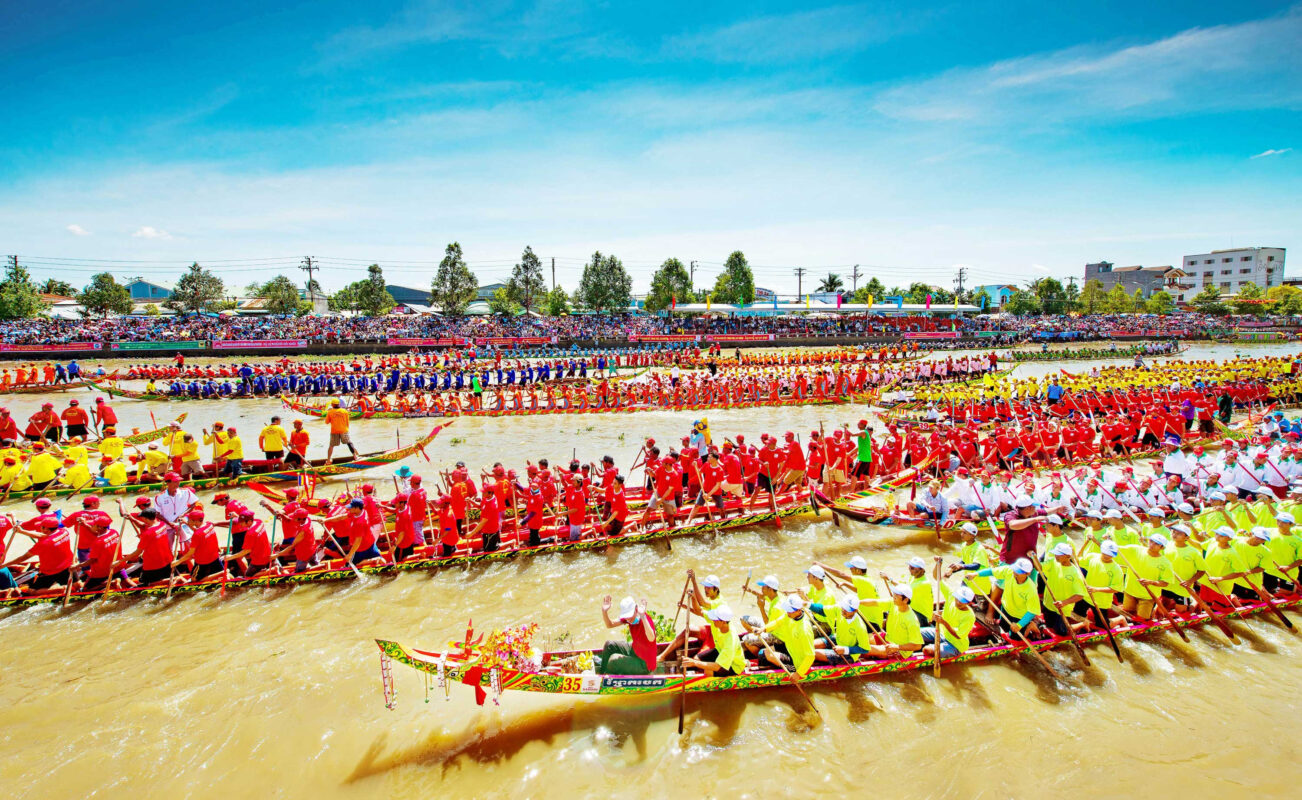
- Cultural festival /kʌltʃərəl ˈfestɪvl/: Lễ hội văn hóa
- Cultural heritage /kʌltʃərəl ˈherɪtɪdʒ/: Di sản văn hoá
- Cultural integration /kʌltʃərəl ˌɪntɪˈɡreɪʃn/: Hội nhập văn hóa
Ví dụ: Our youth union’s mission is of cultural integration and independence. (Nhiệm vụ của hội thanh niên chúng tôi thuộc về sự hội nhập văn hóa và nền độc lập.)
- Cultural misconception /kʌltʃərəl ˌmɪskənˈsepʃn/: Hiểu lầm về văn hóa
- Cultural uniqueness /kʌltʃərəl juˈniːknəs/: Nét độc đáo trong văn hóa
- Culture shock /kʌltʃə/r/ ʃɒk/: Sốc về văn hóa
Ví dụ: I experienced great culture shock when I first came to Europe. (Tôi đã trải nghiệm một cú sốc văn hóa lớn khi lần đầu tới châu Âu.)
- Stereotype /ˈsteriətaɪp/: Rập khuôn
- Ritual /rɪtʃul/: Lễ nghi
- Ancient monument /eɪnʃənt ˈmɒnjumənt/: Di tích cổ
- Art show /ɑːt ʃəʊ/: Buổi biểu diễn văn nghệ
- Artworks shop /ɑːtwɜːk ʃɒp/: Cửa hàng mỹ nghệ
- Civilization /sɪvəlaɪˈzeɪʃn/: Nền văn minh
- Ethical standard /eθɪkl ˈstændəd/: Chuẩn mực đạo đức
Ví dụ: Accepted ethical standards of culture vary from place to place. (Chuẩn mực đạo đức trong văn hóa được công nhận ở mỗi nơi mỗi khác.)
- Fine art handicraft articles /faɪn ɑːt ˈhændikrɑːft ˈɑːtɪkl/: Đồ thủ công mỹ nghệ
- Folk culture /fəʊk ˈkʌltʃər/: Văn hóa dân gian
- Garments /ɡɑːmənt/: Đồ may mặc
- Historic site /hɪˈstɒrɪk saɪt/: Di tích lịch sử
- Wonder /wʌndər/: Kỳ quan
- Wooden carvings /wʊdn ˈkɑːvɪŋ/: Đồ gỗ chạm trổ gỗ
- Intangible cultural heritage of humanity /ɪnˈtændʒəbl ˈkʌltʃərəl ˈherɪtɪdʒ əv hjuːˈmænəti/: Di sản văn hóa phi vật thể của nhân loại
- International and domestic tours /ɪntəˈnæʃnəl ənd dəˈmestɪk tʊər/: Các tua du lịch quốc tế và nội địa
- National identity /næʃnəl aɪˈdentəti/: Bản sắc dân tộc
- New Year’s Eve /njuː jɪəz ˈiːv/: Đêm giao thừa
- Offering/ sustenance /ɒfərɪŋ/ ˈsʌstənəns/: Đồ cúng
- Tradition /trəˈdɪʃn/: truyền thống
- Traditional opera /trəˈdɪʃənl ˈɒprə/: Hát chèo
- Oral tradition /ɔːrəl trəˈdɪʃn/: Truyền miệng
- Prejudice /predʒədɪs/: Định kiến, thành kiến
- Cultural conflict /kʌltʃərəl ˈkɒnflɪkt/: Xung đột văn hóa
- Race conflict /reɪs ˈkɒnflɪkt/: Xung đột sắc tộc
- Racism /reɪsɪzəm/: Chủ nghĩa phân biệt chủng tộc
- Racial behavior /ˈreɪʃl bɪˈheɪvjər/: Hành vi về chủng tộc
- Rattan wares /ræˈtæn weər/: Đồ làm bằng mây
- Stone stele /stəʊn/: Bia đá
- Tangerine trees /tændʒəˈriːn triː/: Cây quýt, quất
- Tet pole /pəʊl/: Cây nêu ngày tết
- Museum /mjuˈziːəm/: Bảo tàng
- The Museum of Fine Arts /ðə mjuˈziːəm əv faɪn ɑːt/: Bảo tàng mỹ thuật
- The Museum of History /ðə mjuˈziːəm əv ˈhɪstri/: Bảo tàng lịch sử
- The Museum of the Army /ðə mjuˈziːəm əv ðə ˈɑːmi/: Bảo tàng quân đội
- The Museum of the Revolution /ðə mjuˈziːəm əv ðə ˌrevəˈluːʃn/: Bảo tàng cách mạng
- Pagoda /pəˈɡəʊdə/: chùa
- The portico of the pagoda /ðə ˈpɔːtɪkəʊ əv ðə pəˈɡəʊdə/: Cổng chùa
- The ancient capital of the Nguyen Dynasty /ðə ˌeɪnʃənt ˈkæpɪtl əv ðə Nguyen ˈdɪnəsti/: Cố đô triều Nguyễn
- Market /mɑːkɪt/: chợ
- Thirty-six streets of old Hanoi /ðə ˈθɜːti sɪks striːt əv əʊld Hanoi/: Ba mươi sáu phố phường Hà Nội cổ
- Vietnamese speciality /ðə ˌviːetnəˈmiːz ˌspeʃiˈæləti/: Đặc sản Việt Nam
1.2. Từ vựng chủ đề văn hóa – Động từ
- Discriminate (against sb) /dɪˈskrɪmɪneɪt/: Phân biệt đối xử (với ai)
Ví dụ: We should not discriminate against different ethics. (Chúng ta không nên phân biệt đối xử giữa các dân tộc khác nhau.)
- Integrate /ɪntɪɡreɪt/: Hội nhập
- Assimilate /əˈsɪməleɪt/: Đồng hóa
- Show prejudice (against sb/sth) /ʃəʊ ˈpredʒədɪs/: Thể hiện thành kiến /với ai, cái gì/
Ví dụ: Europeans at the mines were racially prejudiced and showed their prejudice by often abusing the Africans verbally. (Người Âu Châu tại các mỏ có thành kiến về chủng tộc và thường biểu lộ thành kiến của họ bằng cách sỉ nhục người Phi Châu.)
- Respect cultures /rɪˈspekt ˈkʌltʃər/: Tôn trọng các nền văn hóa
Ví dụ: The students are taught to respect different cultures. (Học sinh được dạy phải tôn trọng các nền văn hóa khác nhau.)
1.3. Từ vựng chủ đề văn hóa – Tính từ
- Full satisfaction guaranteed /fʊl ˌsætɪsˈfækʃn ˌɡærənˈtiː/: Bảo đảm hoàn toàn thỏa mãn
- To be imbued with national identity /ɪmˈbjuː/: Đậm đà bản sắc dân tộc
Ví dụ: The culture which we are building is an advanced one deeply imbued with national identity. (Nền văn hóa chúng ta đang xây dựng là nền văn hóa đậm đà bản sắc dân tộc.)
- To be well preserved /wel prɪˈzɜːvd/: Được giữ gìn, bảo tồn tốt
Ví dụ: The ancient capital of the Nguyen Dynasty is an example of a well-preserved castle in Vietnam. (Cố đô triều Nguyễn là một ví dụ về một lâu đài được bảo quản tốt ở Việt Nam.)
- Cultural specific /kʌltʃərəl ˌspesɪˈfɪk/: Đặc trưng văn hóa
Ví dụ: Many traditional festivals last too long and do not feature any cultural specific identity. (Nhiều lễ hội truyền thống kéo quá dài mà chẳng nêu được nét bản sắc văn hoá nào đặc trưng.)
2. Từ vựng chủ đề Culture – Văn hoá Việt Nam
- Ancestor worship /ˈænsestər ˈwɜːrʃɪp/: Tín ngưỡng thờ cúng tổ tiên
Ví dụ: The practice of ancestor worship plays a crucial role in the spiritual life of many Vietnamese families. (Việc thực hành tín ngưỡng thờ cúng tổ tiên đóng một vai trò quan trọng trong đời sống tâm linh của nhiều gia đình Việt Nam.)
- Water puppetry /ˈwɔːtər ˈpʌpɪtri/: Múa rối nước
Ví dụ: Tourists visiting Hanoi should not miss a chance to see a water puppetry show, a unique form of traditional Vietnamese art. (Khách du lịch đến thăm Hà Nội không nên bỏ lỡ cơ hội xem một buổi biểu diễn múa rối nước, một loại hình nghệ thuật truyền thống độc đáo của Việt Nam.)
- Rice civilization /raɪs ˌsɪvəlaɪˈzeɪʃn/: Văn minh lúa nước
Ví dụ: Many aspects of Vietnamese culture, from its cuisine to its festivals, are deeply influenced by the ancient rice civilization. (Nhiều khía cạnh của văn hóa Việt Nam, từ ẩm thực đến lễ hội, đều bị ảnh hưởng sâu sắc bởi nền văn minh lúa nước lâu đời.)
- Patriotism /ˈpætriətɪzəm/: Lòng yêu nước, tinh thần dân tộc
Ví dụ: Vietnamese patriotism is clearly demonstrated through numerous historical stories of defending the country against foreign invaders. (Lòng yêu nước của người Việt Nam được thể hiện rõ nét qua vô số câu chuyện lịch sử bảo vệ đất nước chống lại giặc ngoại xâm.)
- Family reunion /ˈfæməli ˌriːˈjuːniən/: Sum họp gia đình
Ví dụ: The Tet holiday is the most anticipated occasion for a family reunion, where members gather to share joy and traditional meals. (Tết là dịp được mong chờ nhất cho việc sum họp gia đình, nơi các thành viên tụ họp để chia sẻ niềm vui và những bữa ăn truyền thống.)
- Non la (Conical hat) /nɒn lɑː/: Nón lá
Ví dụ: The Non la is not just a form of protection from the sun and rain, but also a cultural symbol of Vietnamese women. (Nón lá không chỉ là một vật che nắng che mưa mà còn là một biểu tượng văn hóa của người phụ nữ Việt Nam.)
- Ao Dai /ˌaʊ ˈdaɪ/: Áo dài
Ví dụ: The Ao Dai is a traditional Vietnamese garment, celebrated for its elegance and often worn by women on special occasions. (Áo dài là trang phục truyền thống của Việt Nam, được tôn vinh vì sự thanh lịch và thường được phụ nữ mặc vào những dịp đặc biệt.)
- Calligraphy /kəˈlɪɡrəfi/: Thư pháp
Ví dụ: During Tet, it is a common sight to see masters of calligraphy writing auspicious words for people to hang in their homes. (Trong dịp Tết, một cảnh tượng thường thấy là các ông đồ thư pháp viết những chữ tốt lành để mọi người treo trong nhà.)
- Folk tale /fəʊk teɪl/: Truyện cổ tích
Ví dụ: The legend of the banyan tree is a well-known folk tale that has been told to generations of Vietnamese children. (Sự tích cây đa là một câu chuyện cổ tích nổi tiếng đã được kể cho nhiều thế hệ trẻ em Việt Nam.)
- Dynasty /ˈdɪnəsti/: Triều đại
Ví dụ: The Ly Dynasty is often remembered as a prosperous period in Vietnamese history, known for its cultural and economic development. (Triều đại nhà Lý thường được nhớ đến như một thời kỳ thịnh vượng trong lịch sử Việt Nam, nổi tiếng với sự phát triển về văn hóa và kinh tế.)
Bài tập
Chọn các từ đã cho điền vào ô trống để tạo câu có nghĩa.
| behavior | emigrants |
| acceptable | misconceptions |
| conflicts | stereotype |
| global | shock |
| diversity | technology |
1. One of the problems _________ face is cultural _____ which is a condition of confusion and anxiety affecting a person suddenly exposed to a new culture .
2. Some people think that a country with cultural _______ may face cultural ______. Other people, however, think that such a country may benefit from the variety and richness of its culture.
3. A ______ is a false, distorted assumption associated with a group of people.
4. For some cultures, it is not culturally _______ to burp in front of people.
5. Racial _____ is the result of cultural ______ .
6. The world has become a ______ village thanks to _____.
Đáp án:
- One of the problems emigrants
 face is cultural shock which is a condition of confusion and anxiety affecting a person suddenly exposed to a new culture .
 - Some people think that a country with cultural diversity may face cultural conflicts . Other people, however, think that such a country may benefit from the variety and richness of its culture.
- A stereotype is a false, distorted assumption associated with a group of people.
- For some cultures, it is not culturally acceptable to burp in front of people.
- Racial behavior is the result of cultural misconceptions .
- The world has become a global village thanks to technology .
 face is cultural shock
  which is a condition of confusion and anxiety affecting a person suddenly exposed to a new culture .
 may face cultural conflicts
  . Other people, however, think that such a country may benefit from the variety and richness of its culture.
 is a false, distorted assumption associated with a group of people.
 to burp in front of people.
 is the result of cultural misconceptions
 .
. village thanks to technology
  .
.Như vậy, The IELTS Workshop đã cung cấp cho bạn bộ từ vựng chủ đề Văn hóa (Culture) trong tiếng Anh. Hi vọng các kiến thức này, cũng như bộ tổng hợp từ vựng IELTS theo chủ đề sẽ giúp ích bạn trong quá trình ôn luyện.
Để có thể nắm vững cách học từ vựng hiệu quả cũng như các cụm từ cần thiết cho chủ đề này trong tiếng Anh, tham khảo ngay khoá Freshman tại The IELTS Workshop nhé!